

The First Step to Stronger Financial Reporting Is Admitting You're Vulnerable
Every growing company has financial reporting vulnerabilities. The problem isn't that imperfections exist. The problem is failing to look for them.
As businesses grow, processes that once worked can become inconsistent, manual, untimely, or unable to support the complexity of the business. The first step toward stronger financial reporting isn't necessarily new software, more people, or a larger budget. It is discovery.
1. Discovery: Know Where You Are Vulnerable
Financial reporting weaknesses can appear in many places:
- Inaccurate, inconsistent, or untimely monthly closes
- Manual processes and reconciliations that should be automated
- Inconsistent coding, accounting policies, or application of reporting standards
- Limited visibility into cash flow and working capital
- Unexplained changes in margins, profitability, or expenses
- Financial results that don't align with operational growth, inventory needs, or cash
- ERP and accounting systems that aren't being fully utilized or aren't scaling with the business
- Skill gaps as transactions and reporting requirements become more complex
- Weaknesses in internal controls, compliance, or financial oversight
These issues don't necessarily mean a company is poorly managed. Often, they are signs that the business has outgrown the financial processes that supported it previously.
2. It's OK to Find Imperfections. It's Not OK Not to Look.
There is nothing wrong with discovering that your financial reporting isn't where it needs to be. What matters is whether you are willing to acknowledge it and pursue better practices.
Strong financial management requires the discipline to ask difficult questions:
Can we explain our numbers? Are they timely? Are they consistent? Do our financial statements accurately reflect what is happening operationally? Can our CPA, ownership, lenders, or investors rely on them?
Bravery in financial reporting isn't about having perfect books. It is about being honest about where weaknesses exist and having the discipline to address them.
Ignoring a vulnerability doesn't eliminate the risk. Recognizing it creates the opportunity to improve.
3. Make the Improvement Sustainable
Identifying a problem is only the beginning. The real value comes from implementing a solution that lasts.
Changes to accounting processes, systems, controls, and reporting should be implemented by people who understand financial reporting, accounting rigor, accuracy, and timeliness.
A new process isn't valuable if it only works for the person who created it. A new system isn't valuable if the organization doesn't know how to use it. And financial information isn't valuable if it arrives too late to support a decision.
The objective is to build financial infrastructure that is defensible, repeatable, scalable, and sustainable, making improvements part of how the business operates rather than a temporary cleanup project.
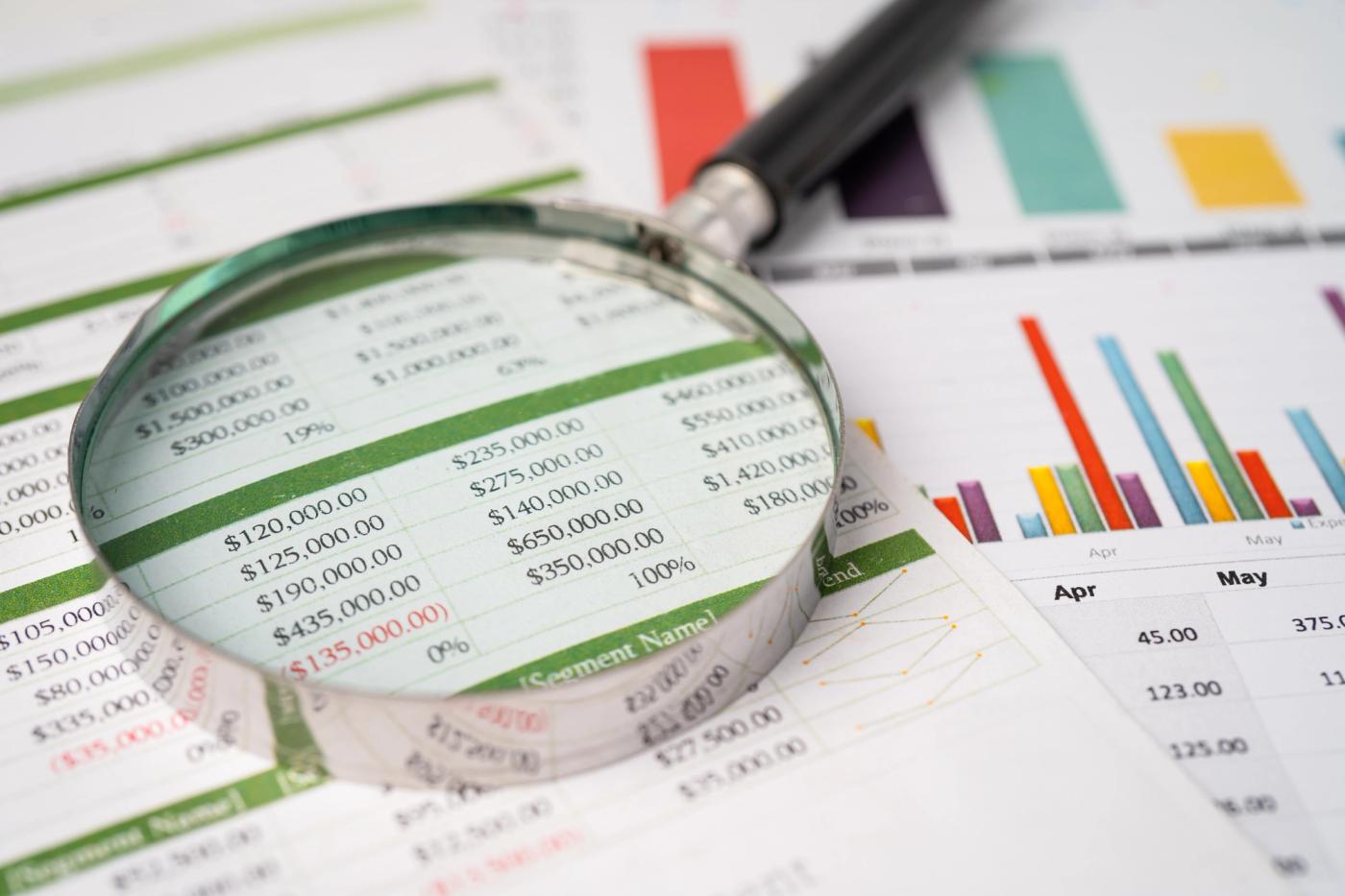
Look honestly. Address what needs attention. Then make sure the improvement lasts.
Seek out accounting resources and services that take the time to understand both your ERP capabilities and the specific needs of your industry. The right solution should be built around your business, not around a one-size-fits-all approach. Prioritize expertise that addresses your needs first, while ensuring that any changes are practical, scalable, and sustainable over the long term.
The Bottom Line
Strong financial functions are built on accurate, timely, and reliable information. When they fall short, the answer is not to ignore the problem. It is to identify the weakness, pursue better practices, and implement them with the right expertise and discipline.
Growth creates complexity. The companies best positioned to create long term value are those that recognize their financial reporting vulnerabilities and build the accounting discipline necessary to support what comes next.
Next Blog: Reaffirming Discovery & Taking Action